Frequently Asked Questions About Kırnı
Facts YouWant to Know
Everything you want to know about how our chickens are raised and produced.

Health First
Frequently Asked Questions
Everything you want to know about how our chickens are raised and produced.
Contact Us01How many days does it take for a chicken to grow to slaughter weight?
Kırnı chickens are raised for 42 days before slaughter.
The growing period of commercial meat-type hybrid chickens (broilers) varies with market conditions. Broilers are specialised birds whose growth has been optimised through selective breeding programmes that have run for nearly a century and continue today. Work on these breeds, developed by mating the most suitable birds, is still ongoing. These chickens are entirely natural in every respect and have been bred without any external intervention in their genetic make-up. Thanks to these breed improvements, together with continuous R&D in the feed sector that has raised feed quality and improved rations, chickens that 20 years ago reached a live weight of 1.8–2 kg in 50–55 days, and 10 years ago 2 kg in 40–45 days, now reach 2–2.5 kg in 42 days, and they play a major role in meeting our country’s need for animal protein. Kırnı Chickens sources its breeder chicks from Ross Aviagen, a global market leader, and the standard growing period for these chickens is 42 days.
Audited by Ross Aviagen experts, Kırnı Chickens facilities received the ROSS145 and ROSS400 awards, among the world’s most prestigious poultry quality awards, in 2017 and 2018.
02Are hormones used in chicken production?
Another common public concern is whether growth promoters are used in chickens. In EU countries, as well as in Türkiye, hormones and other growth promoters are not used in chicken production.
Hormone use poses a serious health risk, and there are many reasons why it is not practised:
- Hormone use is banned, and it would make no economic sense.
- There is no hormone production or import in North Cyprus.
- Giving hormones to chickens is neither practical nor feasible.
- Hormones added to feed are known to have no effect.
- Handling and injecting some 1,000,000 chickens a month one by one is simply impossible.
- No use of hormones has ever been found in poultry raised in North Cyprus, and not a single case has been reported.
Our facilities hold ISO 22000:2005, ISO 9001:2015 and TSE certification and produce to these defined standards.
03What rearing conditions are applied at Kırnı Chickens facilities?
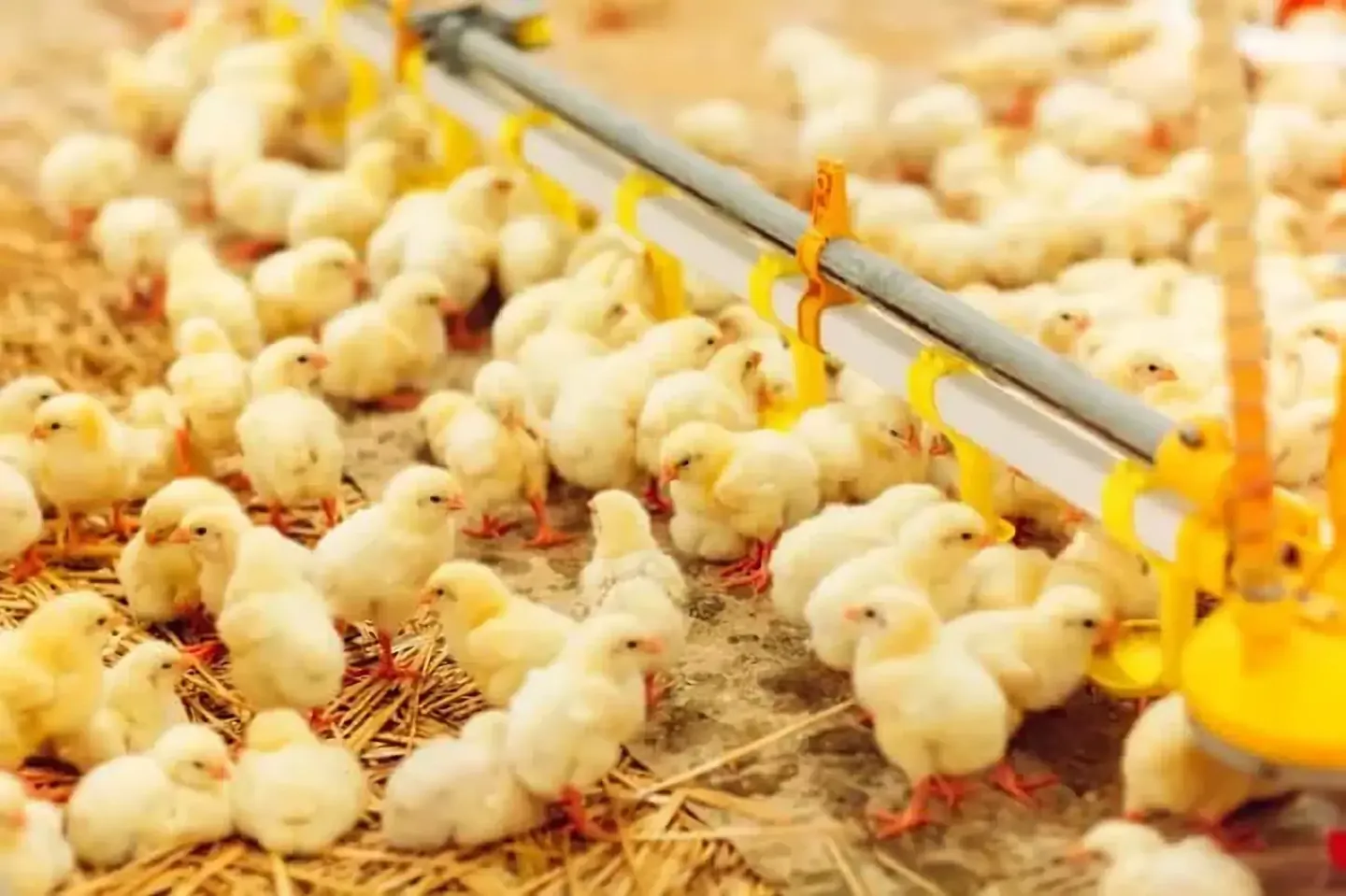
As the Kırnı Chickens family, our greatest responsibility throughout production is to ensure animal welfare and a sustainable production process while producing safe, high-quality food. The core principles applied to our chicks and chickens throughout production are as follows.
- Temperature suited to their age
- A steady supply of fresh air, water and feed
- Cooling the poultry house in hot weather
- Good-quality, dry litter
- A comfortable living space
- A living space free from fear and stress
- Cleaning and disinfection of the poultry house
- Biosecurity measures between poultry houses
For detailed information on the Kırnı Chickens production process and animal welfare:
04Are antibiotics used in chickens?
As in the European Union (EU), antibiotics are not used as growth or development promoters in poultry farming in our country. Antibiotics are used only for treatment when necessary, and treated chickens are not slaughtered during the antibiotic withdrawal period, so their meat never reaches consumers.
When antibiotics are used for treatment, what matters are the international maximum residue limits and withdrawal periods. These periods vary with the type of antibiotic, how it is administered and the dose, as well as how long it takes to clear from edible tissue. Official authorities carry out continuous checks and inspections for this purpose.
The antibiotics used are licensed for chickens and are administered by technical staff in line with their package leaflets, under a veterinary prescription with a completed prescription application form. These licences are issued by the Ministry of Food, Agriculture and Livestock.
05What are the chickens fed?
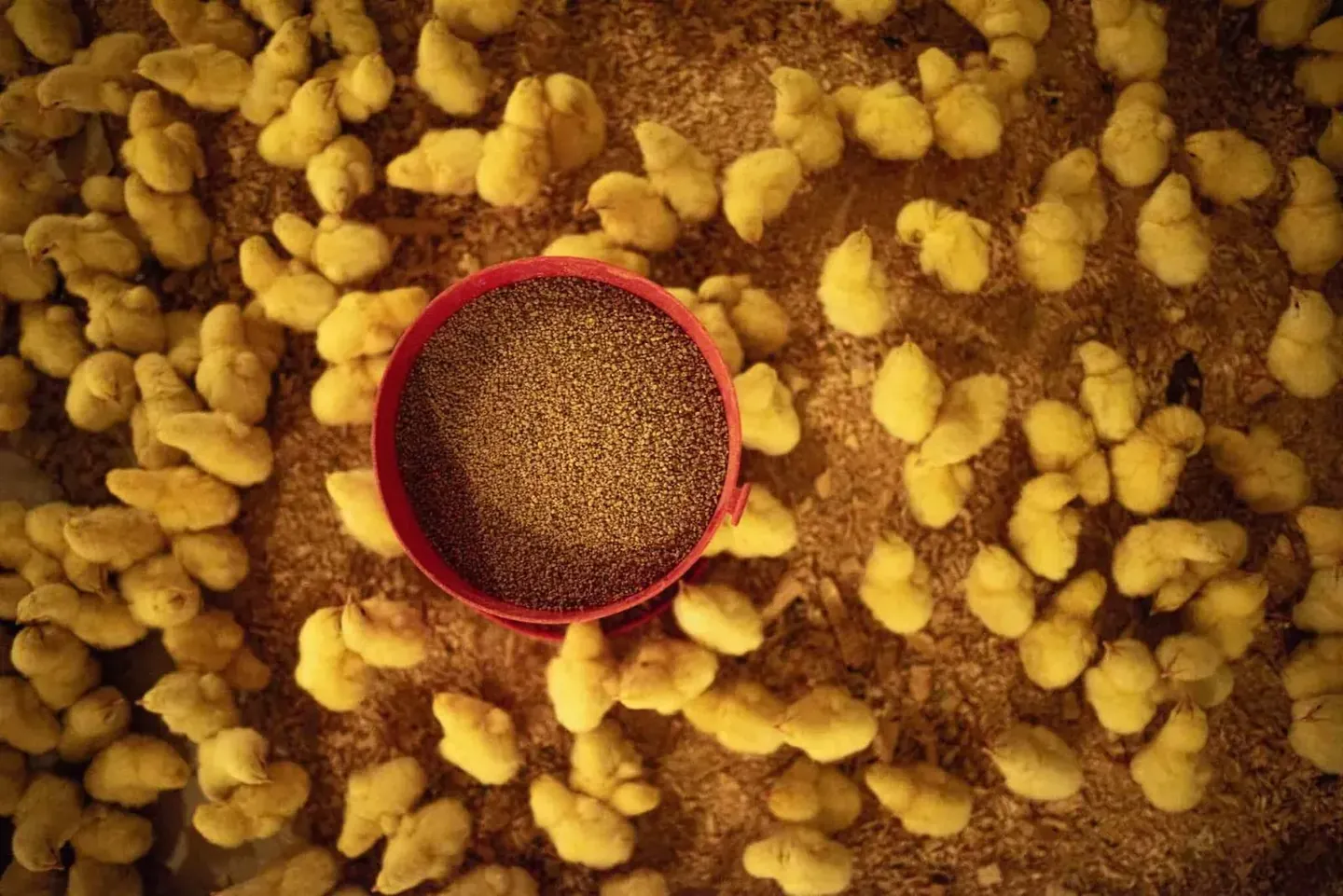
Our chickens are fed high-quality, plant-based feed produced in our own feed mill. The optimal rations, developed through extensive R&D, consist of maize, wheat, soya beans and other plant extracts, essential oils, enzymes, probiotics and prebiotics. Using these plant ingredients in the right proportions meets the chickens’ nutritional needs while supporting their digestion, performance and welfare. No animal-derived or chemical substances are used in our chicken feed.
06What is the shelf life of fresh and frozen chicken?
Fresh products have a shelf life of 8–12 days when kept in the refrigerator (0–4 °C). Frozen products have a shelf life of 12 months when kept in the freezer (−18 °C). This does not apply to fresh products frozen at home after purchase; these should be eaten within 1 month at most.
07What affects the colour of white meat?
Fresh chicken ranges in colour from bluish-white to yellow. This whole range is considered normal, and factors such as feed, exercise, age and/or diet play a major role in determining the colour of fresh chicken. Young chickens have less fat under the skin, so their colour is bluish-white, while chickens fed marigolds are expected to have yellowish skin.
08What do organic chicken and eggs mean?
Organic production is a sustainable form of production carried out only under specific rules. Organic farming and food production rejects modern agricultural practices, takes place in rural areas with minimal carbon emissions, requires that animals be given organic feed, and is a demanding and very costly method of production.
Given economic factors and “time”, known as the most valuable currency, organic production is considered impossible for mass producers of crops, chicken and eggs.
Today, terms such as “natural, additive-free, pure, village produce, homemade” are confused with the word “organic”, and this perception is used in marketing.
In our country, chicken and eggs raised in the open or on pasture are also perceived as “organic”, and efforts are made to create that perception. The hygiene and rearing conditions of products raised in this way are subject to inspection. Research on the subject has found that such products carry serious microbiological risks.